Long before social media clashes and the rise of the internet, small groups of passionate fans dedicated themselves to spreading their love for Japanese animation. This is the story of how Quebecers, writing in their unique English, influenced Parisians and helped shape the anime and manga landscape in France.
For young people nostalgic for the ’80s they didn’t experience, here’s some context. Japanese animation had been airing in the United States and France since the 1960s, though few recognized it as Japanese. In the late 1970s, following the 1977 release of Star Wars, many Western companies began buying Japanese sci-fi series, adapting them for local audiences. For instance, the 105-episode Kagaku Ninja-tai Gatchaman (1972) was re-edited into 85 episodes for Western broadcast, with scenes deemed too violent removed and new segments featuring a robot character (7-Zark-7) added to evoke Star Wars‘ R2-D2.
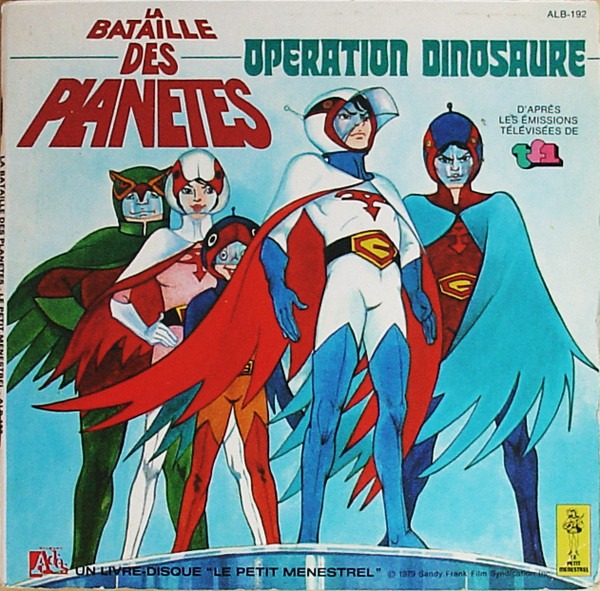
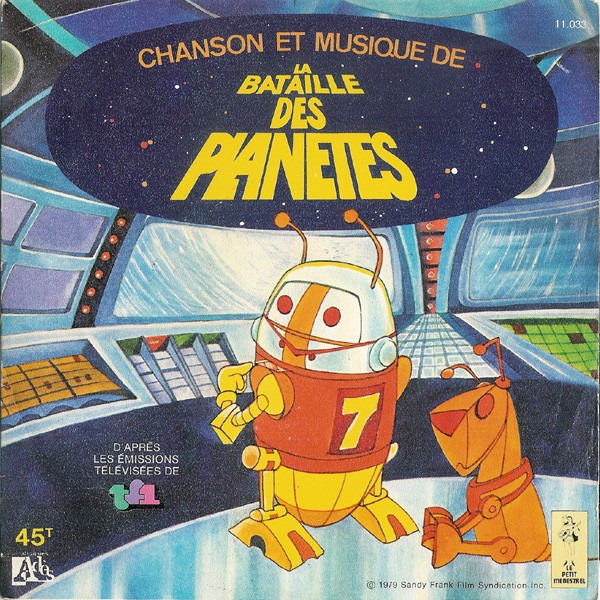
The U.S.-produced version by Sandy Frank Entertainment aired on France’s TF1 in 1979 under the title La Bataille des Planètes, intended to rival Antenne 2’s Goldorak, which had been running since 1978.
The Robotech Effect
Similarly, Karl Macek, on behalf of Harmony Gold USA, re-edited multiple Japanese sci-fi series, transforming Chôjikû Yôsai Macross (36 episodes, 1982), ChôJikû Kidan Southern Cross (23 episodes, 1984), and Kikô Sôseiki Mospeada (25 episodes, 1983) into the unified Robotech, which aired in the United States in 1985. This version reached France’s La Cinq channel on May 25, 1987, through the program Youpi! L’école est finie. By then, American and Canadian audiences had already embraced the saga’s unique blend of space battles, romance, political drama, and intimate tragedy.
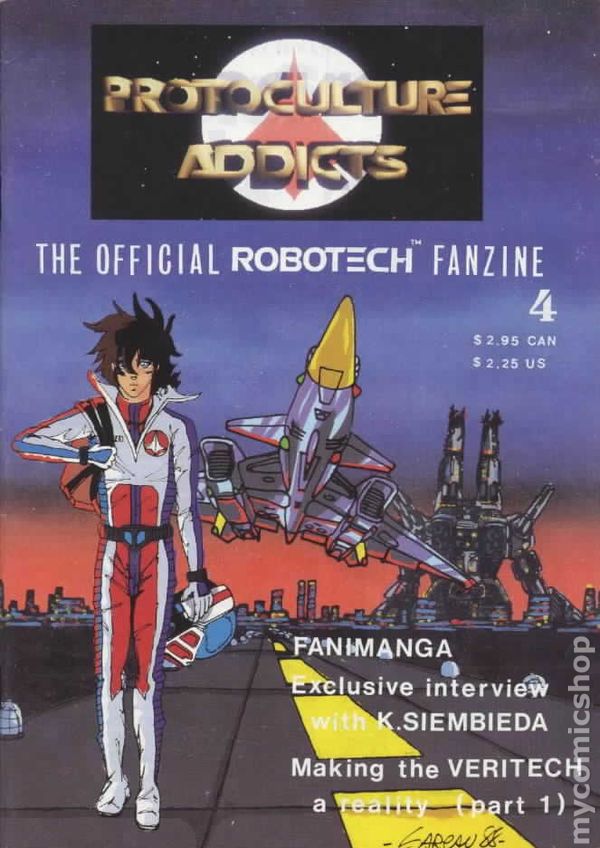
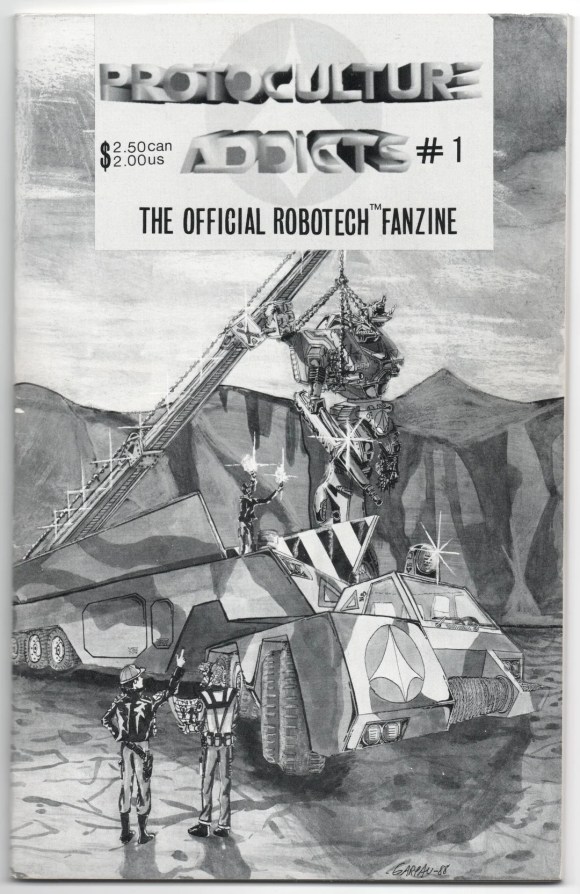
To unify these three series, the American editors revised dialogues and added a new mythology in which “protoculture” became a coveted energy source for humans and extraterrestrials alike. The term “protoculture” inspired the name of a Canadian fanzine that became Robotech‘s official fan magazine in North America.
Over time, this fanzine evolved into a broader publication covering Japanese pop culture, including anime, manga, and various related merchandise. It quickly became an indispensable resource for European fans, connecting enthusiasts across continents. In one 1992 issue, Philippe Lhoste—an editor at AnimeLand, a Paris-based fanzine established in 1991—even contributed an article on France.
To learn more about Protoculture Addicts, visit the blog of one of its founders, Claude J. Pelletier, who provides a retrospective of the fanzine here and shares a roundtable discussion on its pioneering role in pop culture here.
Eager for more firsthand insights, I reached out to Claude and his wife Miyako, who graciously agreed to answer my barrage of questions — some insightful, some less so. Thanks to them, I now present exclusive reflections from two people who helped transform the cultural landscape of France.
Here are Miyako Matsuda’s reflections on this pivotal era in the 1980s. (To read the testimony from Claude J. Pelletier, you’ll have to wait or read it in French here.)
Manga and Anime in Japan
You were born in Japan but have spent most of your life abroad. What influenced your decision to live outside of Japan?
Miyako Matsuda: My decision, I think, was quite personal. My parents wanted me to stay in a farming village to get married and have children, like everyone else. We only live once and I wanted to see the world outside Japan.
What is your first memory of cartoons?
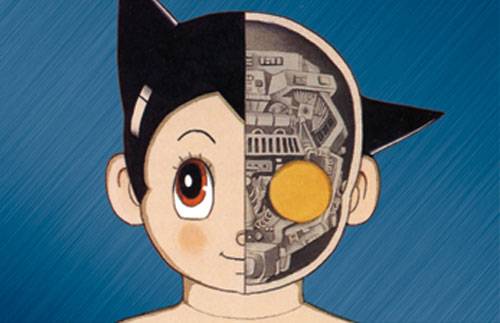
Miyako Matsuda: My parents bought a TV set when I was 6 years old, and in 1966, we could watch anime shows. I could look at lots of cartoons in newspapers. Dr. Osamu Tezuka’s Tetsuwan Atom (Astroboy) was already on the air and I started watching (when I was 6). In a small farming village, there was a movie theatre. I was 17 years old when I finally could go to a movie theatre, so most of the anime/movie viewings came from TV. Fortunately, Japanese TV showed many American/European films (mostly dubbed).
Was this a common part of your childhood, or did it spark your interest in the medium?
Miyako Matsuda: Everyone was watching TV and we, little kids, all talked about anime shows we watched on TV at school. Even teachers loved the science fiction shows in the 1960s during the space age.
Were you a “big reader”? What are the books that left an impression on you (apart from comics)?
Miyako Matsuda: I could read lots of comic books and magazines because older girls were buying them and I could read them after they read, such as Weekly Margaret magazine. It was certainly a big window for little kids to learn about other countries and history. I might be a big reader but I know there were more girls who were reading much more than me (their parents were well-off people to buy those books.).
What is your first memory of manga? What is your first memory of Western comics?
Miyako Matsuda: I was surrounded by older kids who were buying weekly manga magazines and I could borrow quite a few of them all the time to read many Shojo Girls manga titles. In the 1960s, lots of stories took place in the USA & Europe (for girls to dream like Princess Sissy type manga with romantic themes & costumes. Japanese TV stations were showing Popeye, Tom & Jerry and many American animation (dubbed in Japanese) titles. Most of the occasions for me were at the bookstores, TV, and older Kids’ houses to watch & read comics.
What was the impact of 24年組 in Japan?
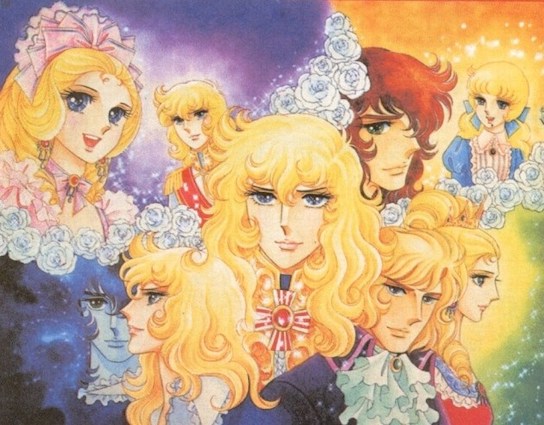
Miyako Matsuda: In the 1970s’ during the economic boom in Japan, the Year 24 Group manga artists gave us young girls “dreams”, I think, to escape from our society of Japanese conformity. The Rose of Versailles and The Clan of Poe are the biggest influential titles, I think. We learned so much about European history, thanks to their manga titles & their works!
What genres of manga do you prefer?
Miyako Matsuda: I still like Shojo Girls’ manga genre, but today, I’m not sure if young Japanese readers like historical theme-based manga. Publishers have to make money, therefore if there is not enough demand, they won’t touch those titles.
Back in the 1970’s, I really loved manga works by Ms Kumi Morikawa who brought more complicated European history in Italy, etc., with her beautiful artwork!
Why have Riyoko Ikeda’s historical manga not been translated into the West?
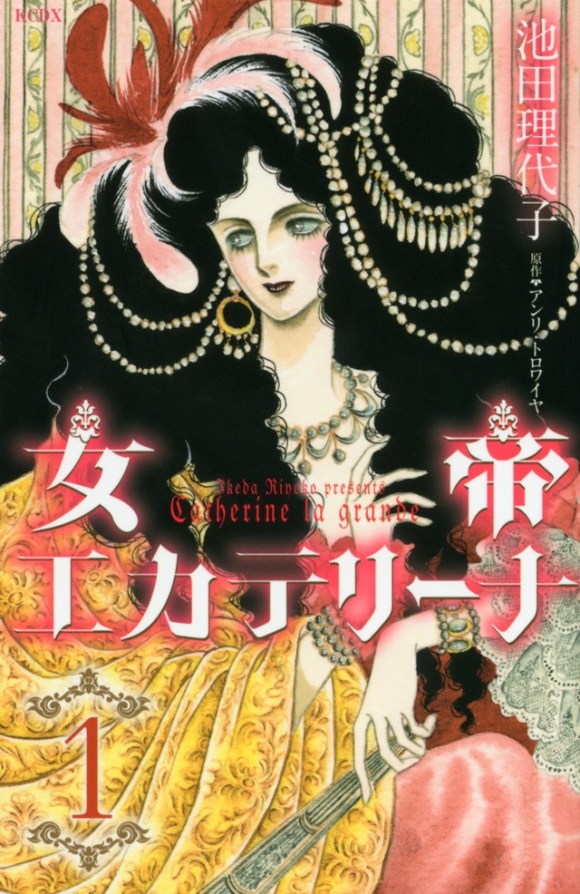
Miyako Matsuda: Riyoko Ikeda’s works like Eroica, Catherine The Great or To the End of Heaven (Ten no Hate made), etc., are really really LONG. I do hope those titles will be translated in the Future. (If not, fan-based translation??). To me, she is a National Treasure of manga!
Japan and US
After World War II, Japan was occupied by the USA. This aspect of history is not often discussed in the West. How did this affect the Japanese creators?
Miyako Matsuda: Yes, Japan was occupied for 7 years after the War, and since Japan had to surrender (under the “Unconditional Surrender” agreement) after the total devastation (atomic bombs, carpet bombing) people were desperate, just to survive.
We can’t deny that the atomic bombing made young people in those days anti-USA and became communists, not knowing the reality of China & USSR, etc. Mr. Hayao Miyazaki was a cartoonist for a communist newspaper, Aka-Hata (“the Red Flag”), when he was young and the creator of Gen of Hiroshima, Mr Keiji Nakazawa, couldn’t come to the US until the end of the Cold War, etc.
I’m not sure how those creators were feeling… and the fact that those creators still make films based on World War II even today, they really want “peace”. The sad fact is that we can’t defend ourselves without arms, and history seems to repeat itself.
After the war, Japan was in ruins and Europe was a sort of dream place. Is this still the case today? Do the Japanese still dream of the West or dream of Asia?
Miyako Matsuda: I don’t know if young Japanese girls think of Europe as Dreamland. After the World War II, Europe was in a difficult place as well. Now, since most young people have a good life with education & entertainment. Fortunately, I was born 15 years after the war, therefore I didn’t experience “hunger” as my parents did during the war, and we kids could eat American food for school lunch programs, which was provided by the US Department of Agriculture.
Today the USA seems to want to go to war with China. In your opinion, what is the position of the former communists?
Miyako Matsuda: You see, the public & people have the right to be “wrong” in democracy, but people have NO right under authoritarian regimes like Russia & China. People should realize that!
Entrepreneurship
How did you end up working for a company in the animation industry?
Miyako Matsuda: No, I didn’t work for any anime company. I worked at Eclipse Comics in the US as a retouch artist /inker during the 1980s, and really enjoyed it until this company went bankrupt.
What were your roles at Protoculture Addicts, and from which issue did you start working for the magazine?
Miyako Matsuda: For Protoculture Addicts, I’m Claude’s wife, so I tried to help and write articles as much as I could. My sources of information were Japanese anime magazines, especially Animage which provided me with lots of information. This is 2024, and I’m not sure if any manga authors/anime creators know about this magazine which ended the publication in 2008.
You have experience with translation. Have you considered becoming a manga or anime translator? What are the working conditions in this field? Has it become more interesting over time?
Miyako Matsuda: Yes, I did translations but, since I’m NOT a native English speaker, (I’m trying to learn English, joining the fan club of Sherlock Holmes, etc.) I need to team up with someone who’s a native English speaker. When I was in the US, I had some anime-fan friends who helped me (to do some anime show translations like the Urusei Yatsura series).
To be a translator and to make a living is very difficult and I do admire people who are real professionals. Many translators usually have jobs like teaching at school, etc., to pay the bills first, I think. Now, the computer seems to translate almost everything (with AI’s help), I don’t know if the working conditions for translators will improve unless they have a day job to pay the bills.
Leave a Reply